By the end of 2025, one reality has become impossible to ignore. Most organizations invested heavily in systems, tools, and technology but underinvested in their managers.
And the cost is now visible.
Teams are struggling with change fatigue. Employees are disengaged despite “engagement initiatives.” Managers are overwhelmed, reactive, and stretched thin. Leadership capacity has not kept pace with the speed of organizational change.
As companies look toward 2026, the question is no longer whether transformation is coming. It is whether managers are actually prepared to lead through it.
What 2025 Revealed About Management Readiness
2025 was a year of acceleration. Organizations pushed forward on multiple fronts at once.
AI tools entered everyday workflows. Hybrid and flexible work models continued to evolve. Cost pressures led to restructuring and leaner teams. Expectations around performance, speed, and accountability increased.
On paper, many organizations did the right things. In practice, managers were often left to figure it out on their own.
Most companies focused on deploying new platforms, rolling out new processes, and introducing new policies. Far fewer focused on how managers would absorb these changes, how they would lead people through uncertainty, and how decision-making, communication, and coaching needed to evolve.
As a result, managers became the shock absorbers of every change without being equipped for the role.
The Managerial Reality in 2025
Across organizations, a common pattern emerged.
Managers were expected to translate strategy into action, maintain engagement during constant change, manage performance in hybrid teams, support employee wellbeing, and adopt new technologies quickly.
All while handling heavier workloads and reduced support.
This led to more reactive management, fewer meaningful conversations, rising burnout at the manager level, and inconsistent employee experience across teams.
The gap was not about intent. It was about capacity.
Why Traditional Management Models Fell Short
Many organizations are still operating with outdated assumptions about management.
One-time leadership training is sufficient. Good individual contributors naturally become good managers. Managers will figure it out with experience. Performance systems alone will drive alignment.
2025 proved these assumptions wrong.
Management today requires continuous judgment, emotional intelligence, adaptability, and data-informed decision-making. Without ongoing support, managers default to control, avoidance, or exhaustion.
What Needs to Change in 2026
If 2025 exposed the cracks, 2026 must be the year organizations respond differently.
1. Management Must Be Treated as a Core Capability
Managers are no longer just people supervisors. They are culture carriers, change leaders, and decision filters. Organizations must invest in management capability with the same seriousness as they invest in technology.
2. Continuous Support Must Replace One-Time Training
Annual leadership workshops are no longer enough. Managers need ongoing guidance, real-time feedback, and contextual support to navigate everyday challenges.
3. AI Should Reduce Manager Load, Not Increase It
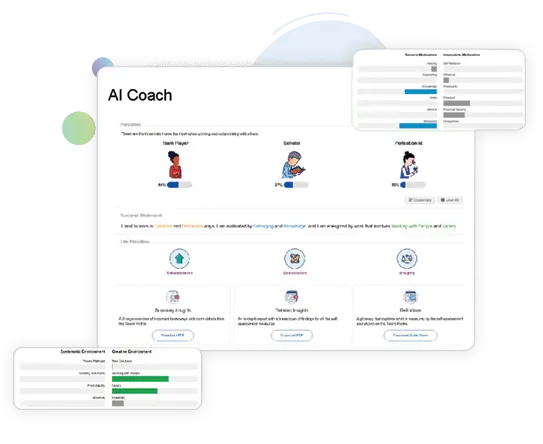
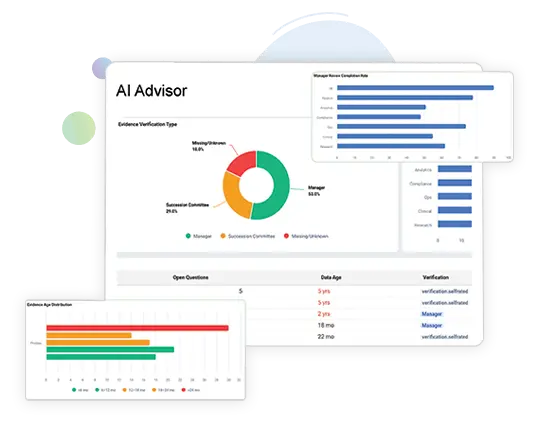
In 2026, AI must move from novelty to utility. Used correctly, it can reduce decision fatigue, surface insights managers miss, support better coaching conversations, and flag early signs of disengagement or burnout.
If AI adds complexity instead of clarity, it has failed its purpose.
4. Performance Management Needs to Become Human Again
Rigid, backward-looking performance processes drain managers and employees alike. Organizations need systems that support continuous conversations, clarity of goals, and development-focused feedback.
5. Manager Wellbeing Is a Business Risk
Burned-out managers create burned-out teams. Organizations that ignore manager capacity will see higher attrition, inconsistent performance, and weakened leadership pipelines.
Supporting managers is not a nice-to-have. It is a risk mitigation strategy.
The Cost of Not Acting
Organizations that carry 2025 habits into 2026 will likely face slower execution, higher attrition, lower trust in leadership, and fragile culture under pressure.
The hard truth is this. You cannot build a resilient organization on exhausted managers.
A Final Thought
2025 showed us what happens when change moves faster than leadership capacity.
2026 will reward organizations that stop asking managers to cope and start equipping them to lead. Not with more pressure, but with better systems, clearer insight, and continuous support.
Because strategy does not fail in execution. It fails in the space between managers and their teams.
And that is the space organizations must fix next.