How AI Is Changing Succession Planning—Without Replacing Human Judgment
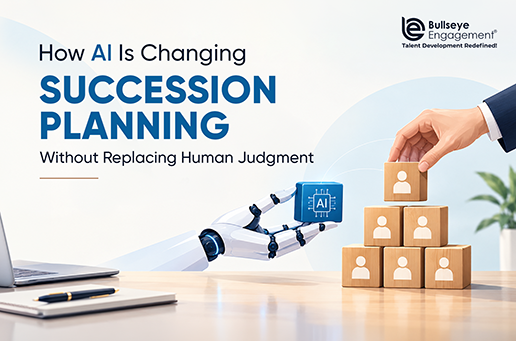
Only 20% of HR leaders say they have leaders ready to fill their most critical roles. On average, internal candidates can immediately fill just 49% of critical business leadership positions, according to DDI’s 2025 HR Insights research. At the same time, AI is moving rapidly into HR. SHRM found that 43% of organizations were already […]
The CHRO role in CEO succession: what boards expect now, and the ten pitfalls that derail it
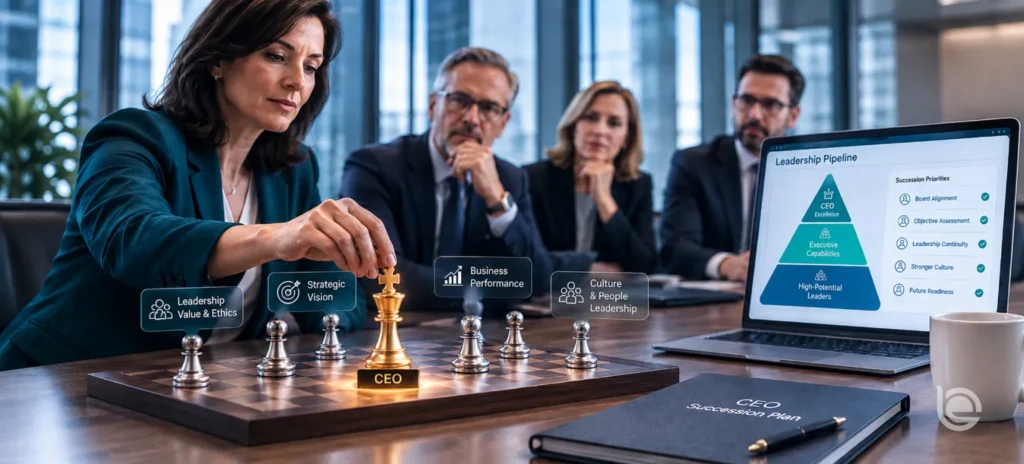
Sixty percent of nominating and governance committee chairs at S&P 500 companies rank CEO succession as the second most important item on their committee agenda, up 10 points in a single year. Sixty-nine percent of those same chairs spend 10 hours or less a year on it. Both figures come from the Spencer Stuart 2025 […]
Workforce scenario planning when the AI forecast can’t be trusted
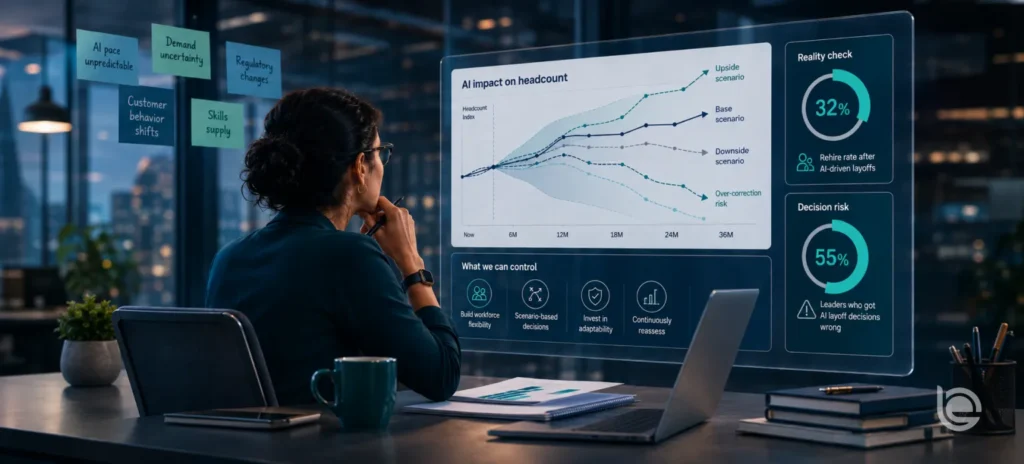
Here is the number that should change how you plan. Orgvue, in research published 12 March 2026 covering 300 US HR managers, found 32% of organizations that made redundancies on the cost-saving promise of AI have had to rehire staff. Not restructured. Rehired. A year earlier, a separate wave found 55% of leaders who made […]
Performance Management Software for Mid-Market Companies: What to Look For
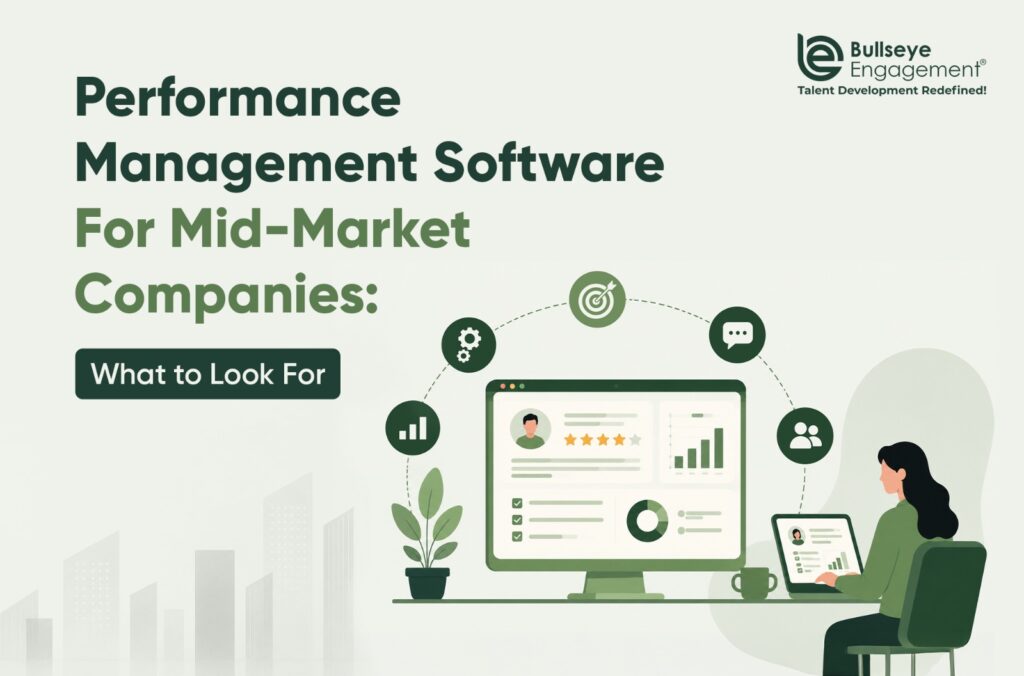
Mid-market companies are often in the hardest stage of performance management maturity. They are too large for informal processes, spreadsheets, and manager-by-manager performance habits. But they may not want the cost, complexity, or long implementation cycle of a heavy enterprise HCM system. The result is a familiar gap. Goals are tracked in one place. Reviews […]
Performance management trends 2026: what HR leaders must act on now
Quick gut check: if your CEO asked you tomorrow which 3 performance management changes will matter most this year, and which hyped ones to ignore, could you answer on the spot? That question is coming, in some form, for every HR leader this year. Performance management is having its most consequential stretch in a decade, […]
AI coach vs. AI judge: how to use AI in performance reviews without losing trust
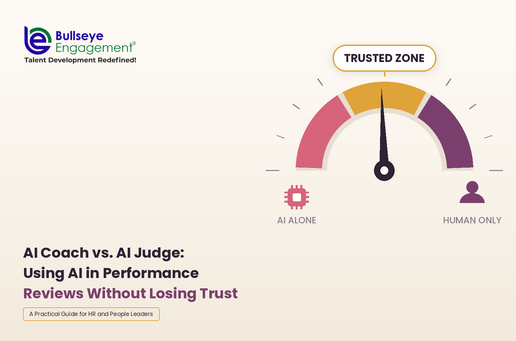
AI can improve performance reviews or quietly wreck them. Learn the difference between AI as a judge and AI as a coach, plus a governance framework and policy template your managers can use today.
Succession planning for a workforce that demands career visibility
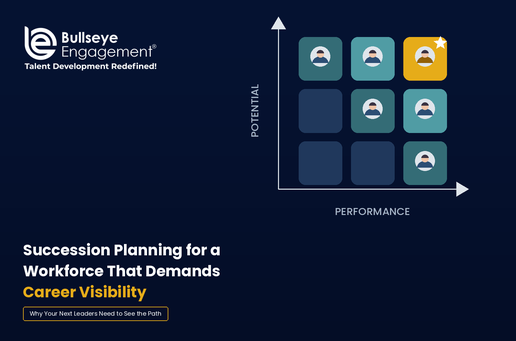
Think about your best person for a moment. The one whose resignation would ruin your quarter. Now answer this: can they see their next role at your company, or are they taking it on faith? If you’re not sure, they’re not sure either. And that’s the whole problem with how succession planning has traditionally worked. […]
How to Identify High-Potential Employees (HiPos): A Practical Guide for HR and Talent Leaders
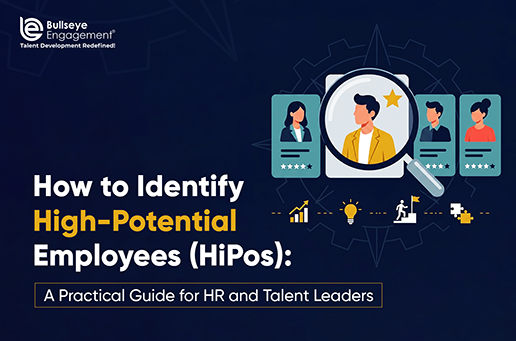
Identifying high-potential employees is one of the most consequential talent decisions any organization makes. The people you tag as HiPos receive disproportionate investment: stretch assignments, executive sponsorship, accelerated development, and a fast track into your leadership pipeline. Get the call right, and you build a stronger bench. Get it wrong, and you spend years and […]
Succession Planning Metrics and KPIs: 7 Numbers That Actually Measure Bench Strength and Pipeline Health
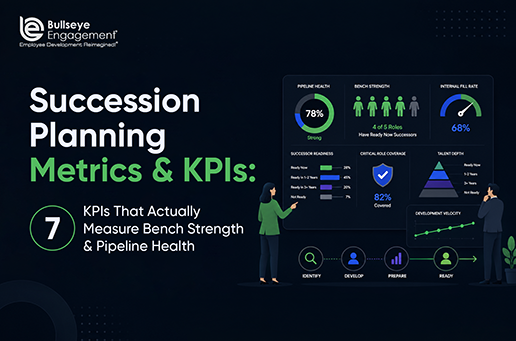
Most succession planning programs are measured by activity, and activity flatters everyone. Reviews are held. Boxes are filled in. Slides are produced. The leadership team nods, the deck gets archived, and everyone agrees succession is “covered” until a critical role suddenly opens and the bench turns out to be thinner than the chart suggested. The […]
Are Your Managers Prepared for 2026? Most Companies Are Finding Out the Hard Way
By the end of 2025, one reality has become impossible to ignore. Most organizations invested heavily in systems, tools, and technology but underinvested in their managers. And the cost is now visible. Teams are struggling with change fatigue. Employees are disengaged despite “engagement initiatives.” Managers are overwhelmed, reactive, and stretched thin. Leadership capacity has […]